
Summer in Sydney means more time in the pool and the surf, and more sore, blocked ears. Two common problems often get mixed up: swimmer’s ear (otitis externa) and surfer’s ear (exostoses). They are different conditions, but they are linked, and the same simple habits help prevent both.
Swimmer’s ear: an infection of the ear canal

Otitis externa is inflammation, usually infection, of the skin lining the ear canal. Ear wax normally waterproofs the canal and protects it from bacteria and fungi. Frequent swimming, cotton buds, scratching the ear and skin conditions such as dermatitis can break down that protection.
Typical symptoms are:
- ear pain, often severe, and worse when the outer ear is pulled or pressed
- swelling of the canal with a blocked feeling or muffled hearing
- discharge from the ear
Most cases settle with ear drops, but drops only work if they reach the infected skin. When the canal is very swollen or full of discharge, careful cleaning under the microscope is often the step that makes treatment work. Pain relief and keeping the ear dry until it has healed are also important. In children it can be hard to tell an outer ear infection from a middle ear infection, so it is worth having the ear examined.
More detail: Otitis externa (swimmer’s ear).
Surfer’s ear: bony growths in the ear canal
Exostoses are bony growths of the ear canal caused by long-term exposure to cold water and wind. They develop slowly over many years and are common in surfers, swimmers, divers and sailors. They are not painful in themselves, but as they narrow the canal they trap water and wax. This leads to blockages and repeated infections, which is why surfer’s ear and swimmer’s ear so often go together.
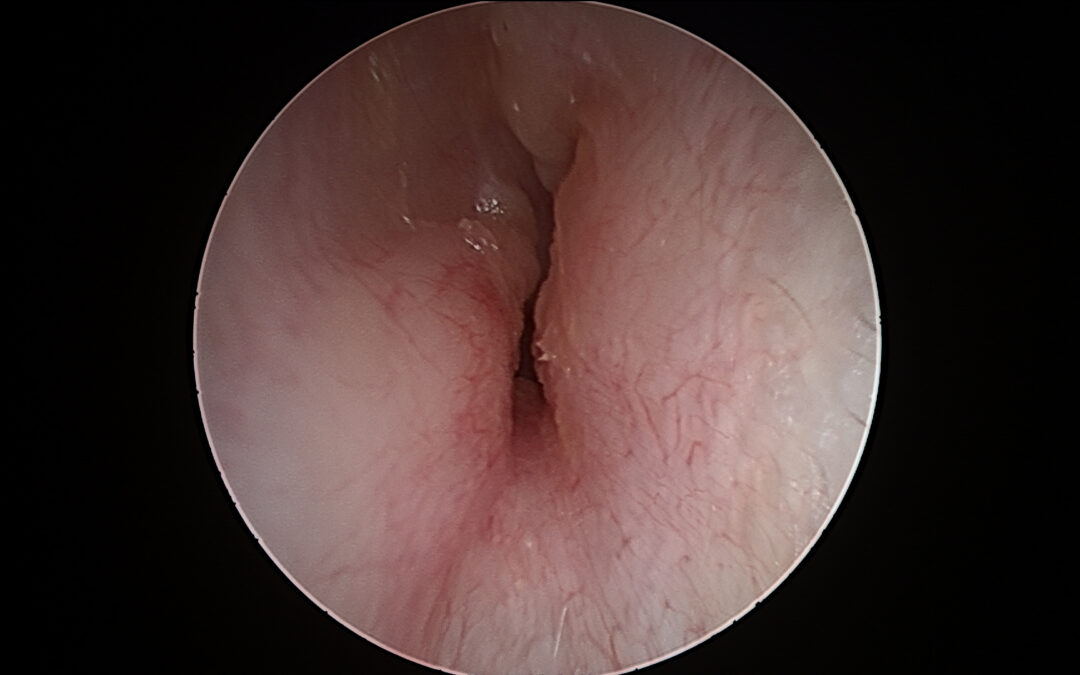
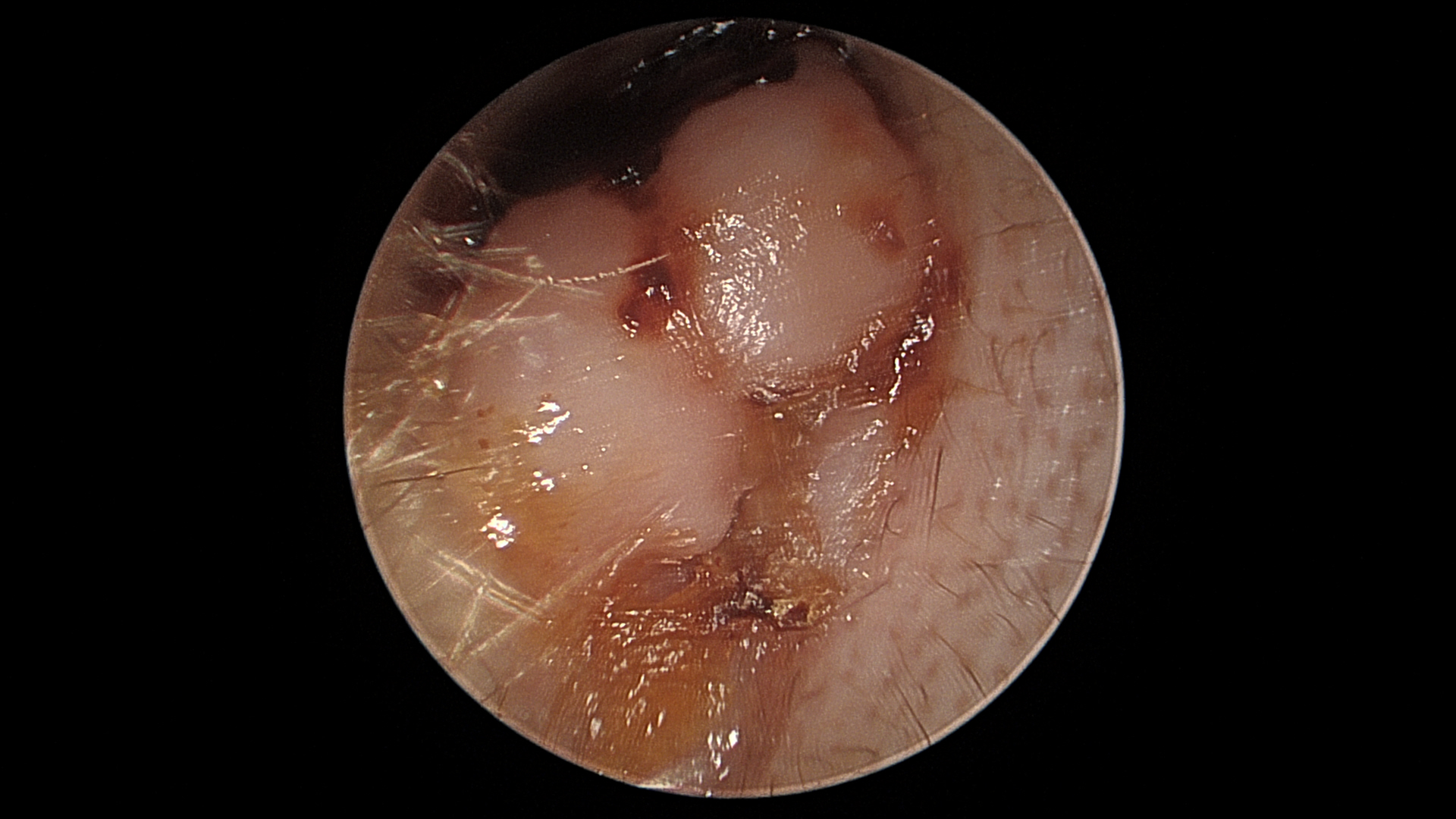
The photo at the top of this article shows severe exostoses narrowing the ear canal to a slit. Exostoses range from small, early growths that cause no trouble to large growths that almost close off the canal:


More detail: Exostoses (surfer’s ear).
Protecting your ears this summer
- Keep water out. Ear plugs range from simple mouldable plugs to surf-specific plugs and custom-made plugs fitted by an audiologist.
- Dry your ears after swimming. Tilt your head to drain the water, or use a hair dryer on a low, warm setting held well away from the ear. Drying drops containing alcohol and acetic acid can help, but don’t use them if you have a hole in your eardrum, grommets or an active infection.
- Leave ear wax alone. Avoid cotton buds; they push wax in and damage the skin of the canal.
- Cover up in cold water. If you surf through winter, a wetsuit hood as well as ear plugs reduces cold-water exposure.
When to see your GP or an ENT specialist
- ear pain that is severe, or not improving after a few days of treatment
- repeated infections or blockages after swimming
- hearing loss that doesn’t clear
- an ear infection if you have diabetes or a weakened immune system, which needs prompt review
Most people with exostoses need nothing more than good prevention. If the canal becomes narrowed enough to cause repeated infections, persistent blockage or hearing loss, surgery to remove the bone (exostectomy) may be considered. My exostoses page explains what this involves.
For an appointment, contact us.
This article is general information only and is not a substitute for advice about your own situation. Please see your GP or specialist about any ear symptoms.