
Most of the time ventilation tubes are placed to drain persistent middle ear fluid and or re-inflate the tympanic membrane related to obstructive eustachian tube dysfunction.
The general concept is that the tubes extrude spontaneously (grow out themsleves). The time this takes is variable but is influenced by the type of grommet that is inserted. In general terms the smaller the internal diameter and size of the flange the quicker the tube is likely to extrude.
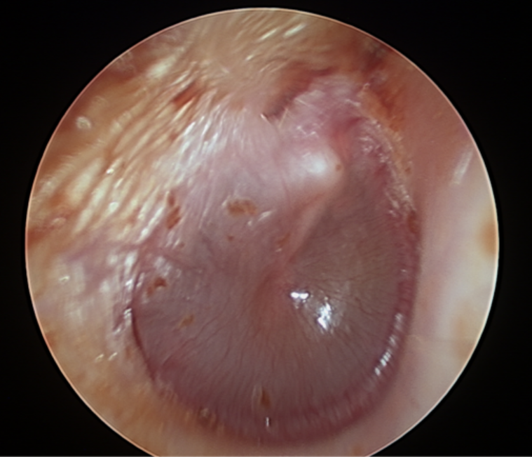
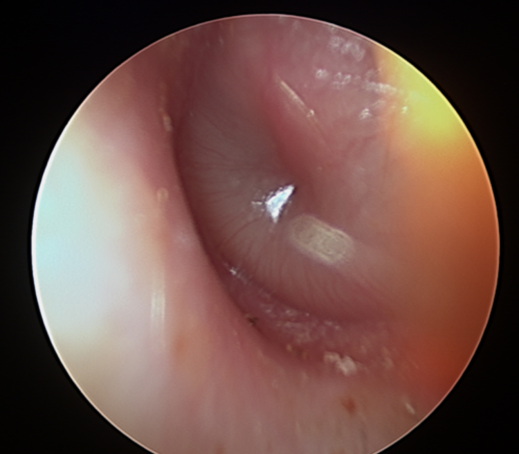
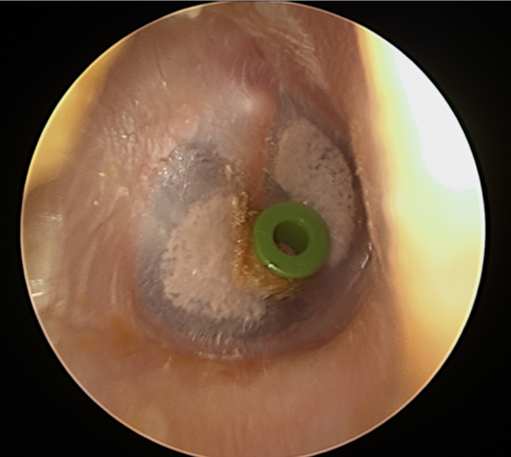
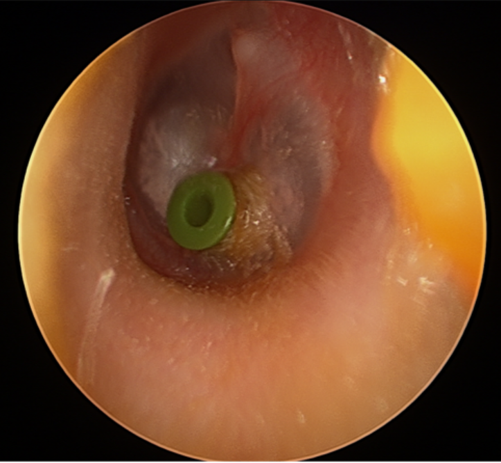
Pictures of bilateral middle ear effusions in a 4 year old, and then ventilation tubes inserted with drainage of the middle ear fluid and return to normal hearing.
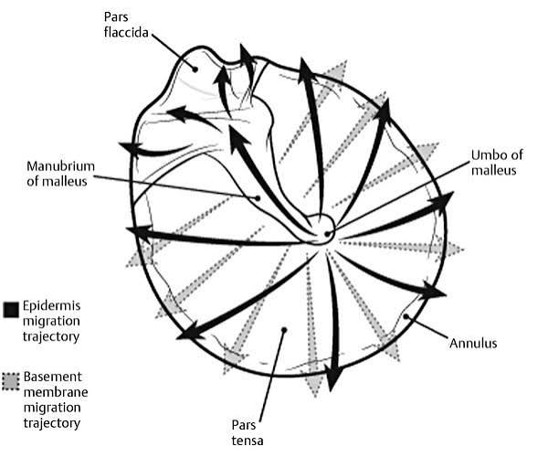
A diagram showing the migration of the skin of the ear drum that ‘carries’ the grommet or pushes it out of the ear drum. This occurs some 6-18months after insertion. In over 95% of cases once the grommet has extruded the ear drum will close the perforation. We then need to make sure that the middle ear does not refill with fluid requiring further grommets.
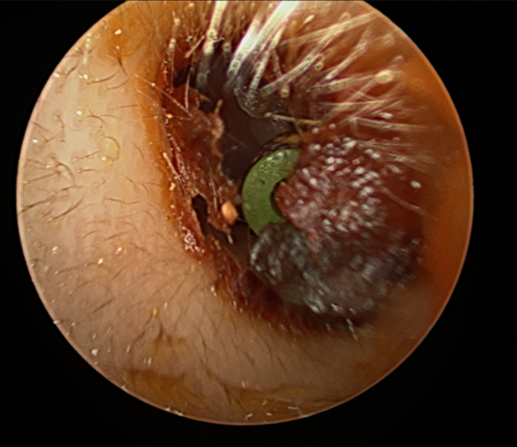
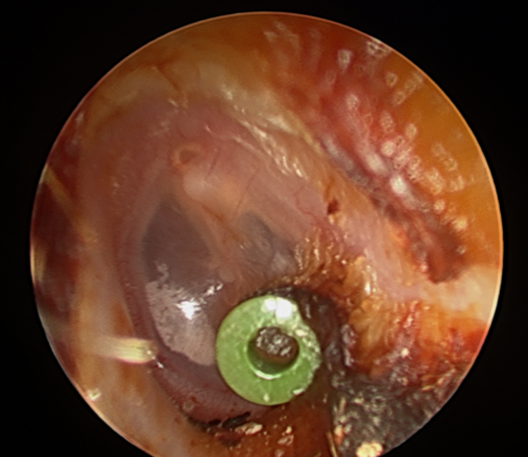
Pictures of the grommets in the process of extrusion.
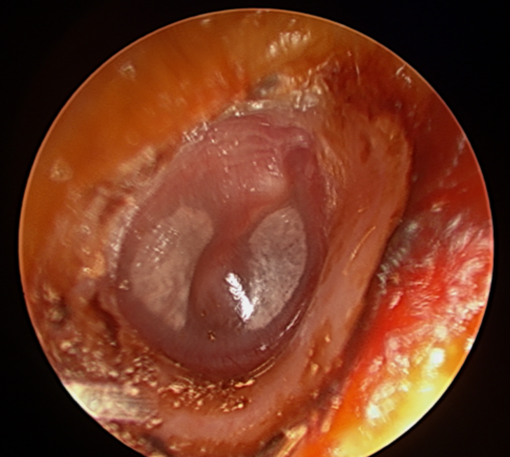
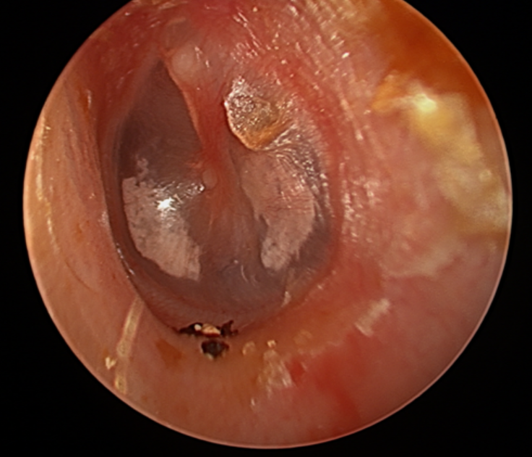
Following complete extrusion, intact tympanic membranes (ear drums) with clear middle ear clefts and return to normal hearing.
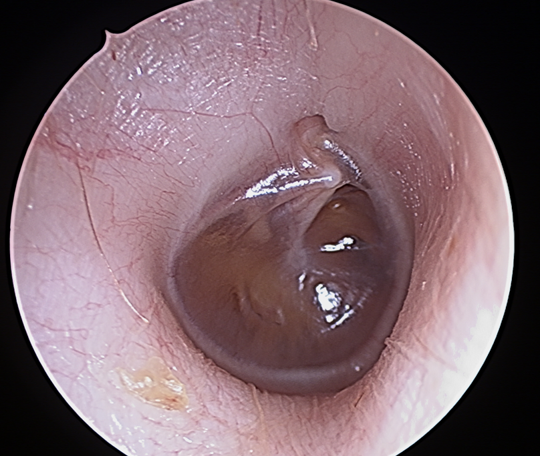
A photo of a right ear with a middle ear effusion (fluid behind the ear drum) related to a blockage of the eustachian tube in an adult.
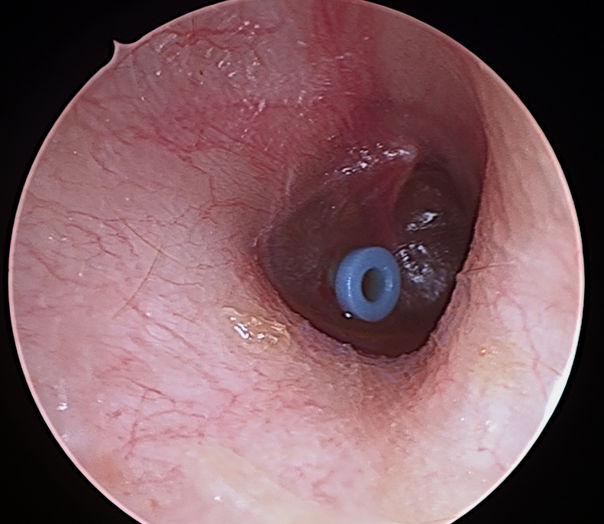
The insertion of a Shepherd ventilation tube (a relatively small tube with an internal diameter of 1.14mm). This type of tube is expected to last 6-12 months. The plan is that when the tube extrudes the eustachian tube will start to function properly, aerating the middle ear without the need for further tube insertion.
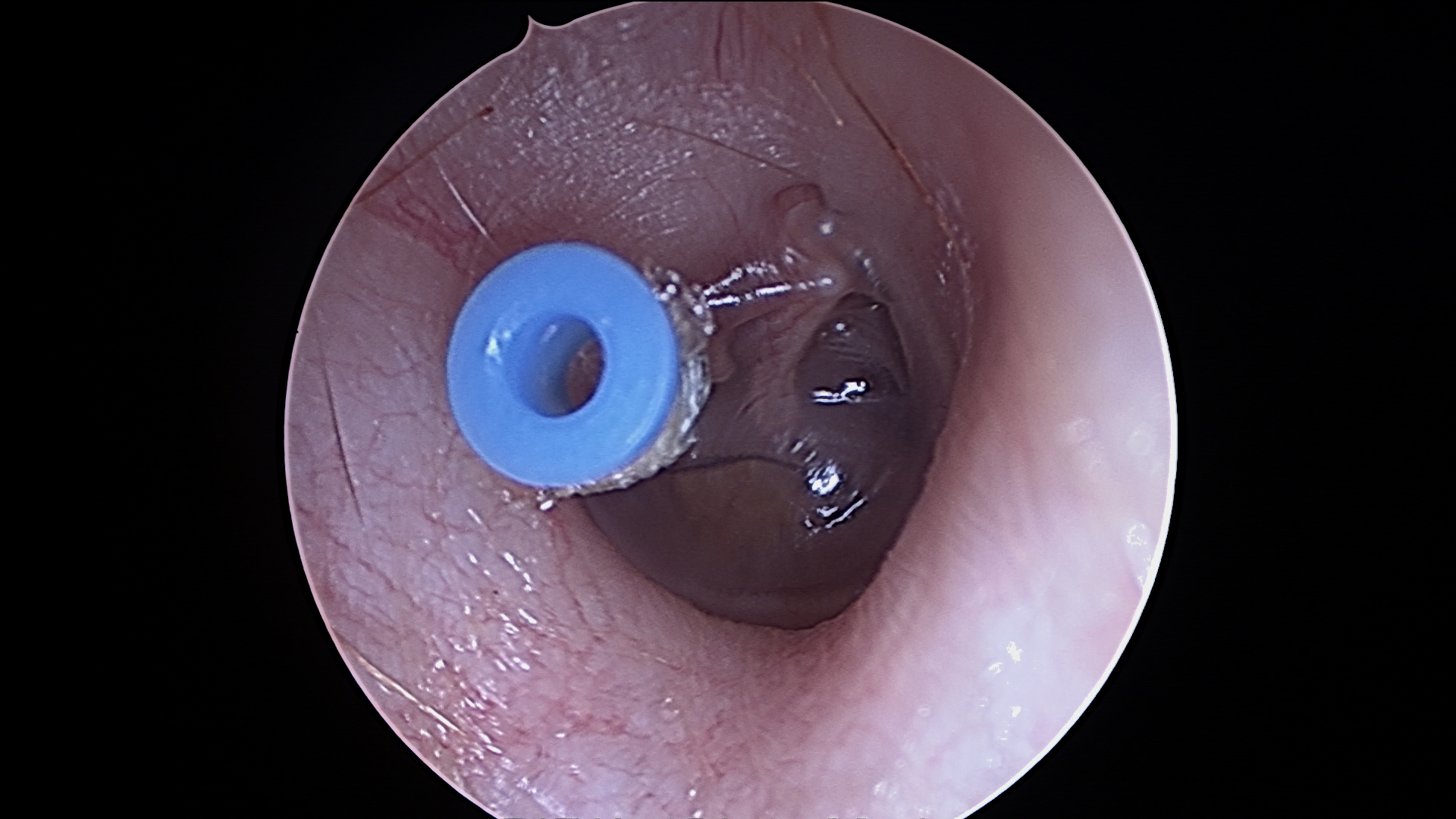
As the grommet has extruded, there is immediated reaccumulation of middle ear fluid
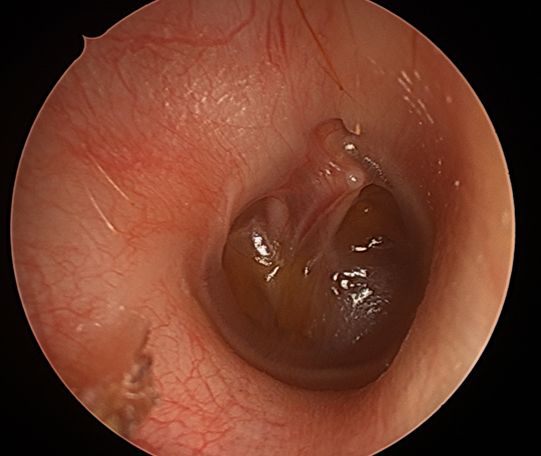
The middle ear is now completely filled with fluid
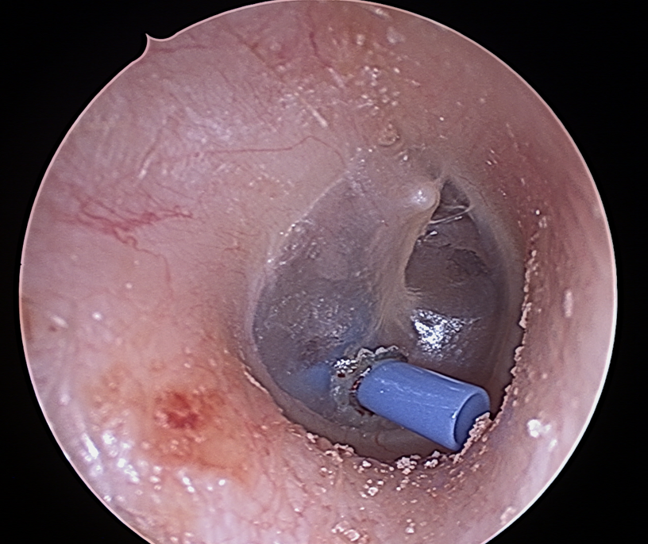
Re-insertion of a Triune ventilation tube under local anaesthetic. This type of tube is designed to last 12-24 months.
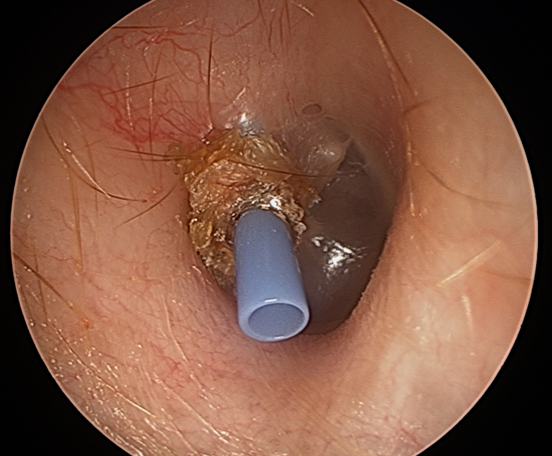
Over time, crusting forms around the base of the grommet which is part of the process of the ear drum pushing the grommet out
Once again the middle ear has filled with fluid once the grommet has extruded.
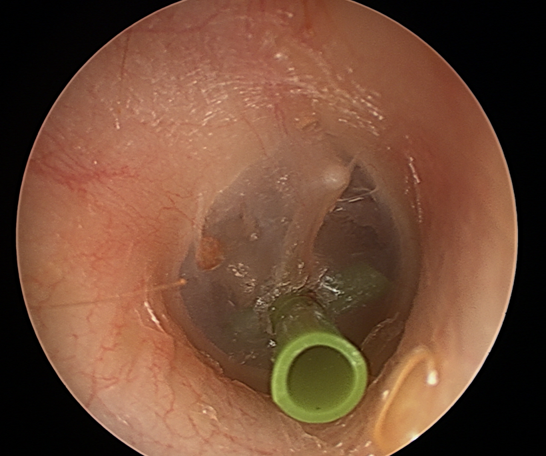
Re-insertion of a Spiggle-Theis T-tube. It has a long shaft and flanges on the inside of the ear drum that extends the expected life of the grommet. In this case the obstruction of the eustachian tube is not reversible and as such the patient will need lifelong grommets to drain the middle ear fluid.